A chip is one part of the system
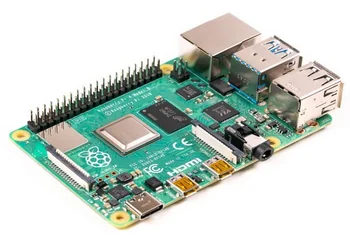
Raspberry Pi’s AI documentation describes Hailo neural processing units connected to Raspberry Pi 5, with the accelerator doing neural-network inference work. Its setup instructions also cover drivers, runtimes and compatible models. The hardware alone is not a complete application. See the official documentation
Start with a job
Consider a fictional workshop camera that sorts objects on a bench. The useful questions are concrete: can the system recognise the relevant objects, keep up with the camera and run for a full working day? A chat application asks different questions about memory, response time and model quality. One headline performance figure cannot answer all of them.
The whole stack determines the experience.
Local changes the trade-offs
Running inference on a device can reduce the need to send each input to a remote service. It also puts responsibility for capacity, updates and operation closer to the owner. Whether that is a benefit depends on the workload and implementation. Local processing should not be mistaken for a complete privacy guarantee.
Read the fine print before the benchmark
Our view: compatibility deserves as much attention as peak performance. Check the exact accelerator, model format, software versions and intended workload. This is a guide to the architecture, not a hands-on test or a buying verdict. A useful small computer is the one that fits the job.
Sources & further reading
Raspberry Pi · AI software documentationPublished by Capvise Media. Editorial standards · Corrections