A seventh chip and five rack types
NVIDIA expanded its Vera Rubin platform at GTC on 16 March, adding the Groq 3 LPU to the six-chip design announced earlier in the year. Its GTC release describes five rack-scale systems for GPU computing, CPU work, inference acceleration, storage and networking.
The Groq 3 LPX rack is the distinct addition. NVIDIA positioned it alongside Vera Rubin NVL72 to accelerate interactive inference, with partner products planned for the second half of 2026. This was an expansion of the platform, not another report of the January introduction.
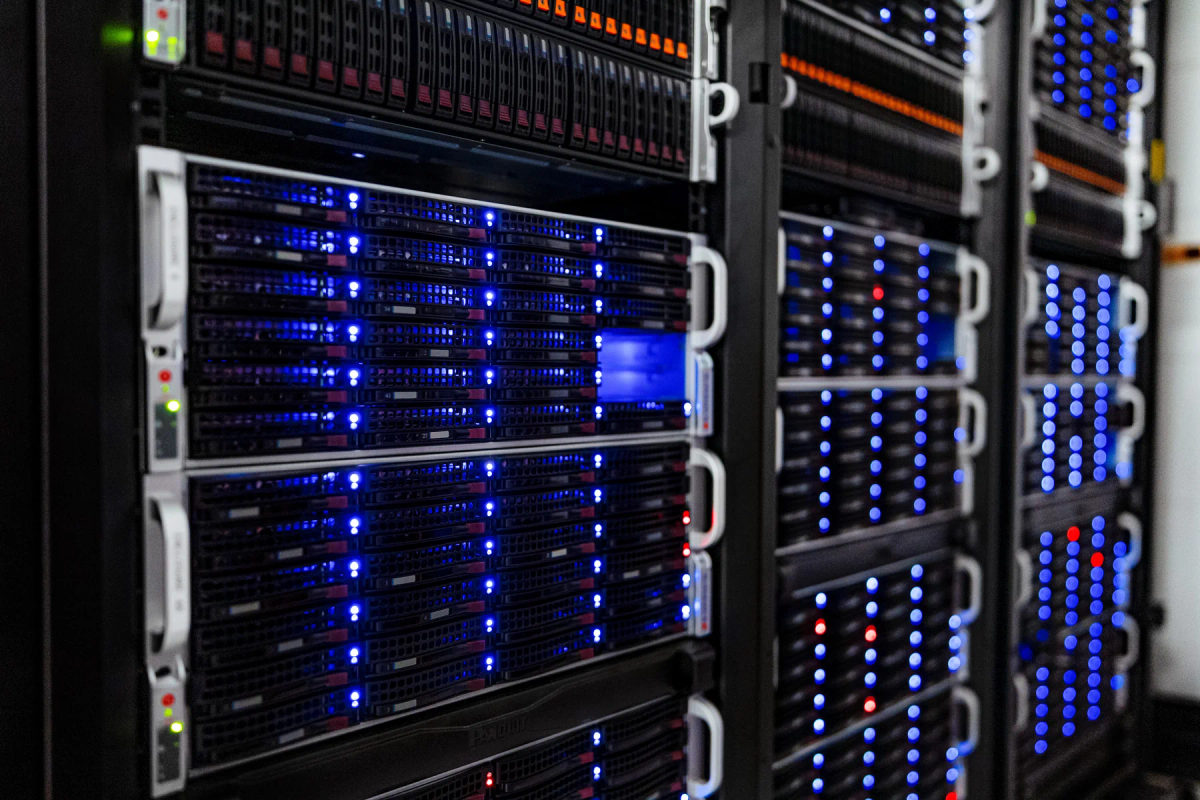
In NVIDIA's platform description, Vera Rubin NVL72 handles GPU computing, Vera handles CPU computing, Groq 3 LPX accelerates inference, BlueField-4 STX supplies context storage and Spectrum-6 SPX handles networking. Those are announced system roles, not measured performance results.
Different hardware handles different parts
NVIDIA's separately dated technical explanation describes LPX as 256 interconnected accelerators using compiler-managed on-chip SRAM. Rubin GPUs continue to handle processing of the initial input and attention work, while LPX handles selected latency-sensitive parts of generating the response.
The intended benefit is more predictable delays between output tokens as requests and concurrency change. NVIDIA's throughput and efficiency comparisons are vendor claims, and the design does not remove the need for GPUs, networking or storage.
For an infrastructure operator, the new arrangement makes model-serving hardware more specialised. A system can divide the work among accelerators instead of expecting one device type to handle every stage. Whether that arrangement helps a deployment depends on the models, serving software and workloads, which the architecture announcement alone cannot settle. The workload's mix of input processing and generation changes that choice.
Sources & further reading
NVIDIA March GTC platform announcement NVIDIA Groq 3 LPX technical explanationPublished by Capvise Media. Editorial standards · Corrections